Cleaning, sanitizing and disinfecting: what each one does
The three words get used as if they meant the same thing. They do not, and the difference decides how the visit is planned. The CDC's page "When and How to Clean and Disinfect Your Home" (cdc.gov/hygiene/about/when-and-how-to-clean-and-disinfect-your-home.html, dated January 31, 2025, read 19 September 2026) separates them this way:
| Cleaning | Sanitizing | Disinfecting | |
|---|---|---|---|
| What it does, per the CDC | Removes most germs, dirt and impurities from surfaces | Reduces germs to levels that public health codes or regulations consider safe | The next step up from sanitizing |
| What it uses, per the CDC | Water, soap and scrubbing | Weaker bleach solutions or sanitizing sprays | Stronger bleach solutions or chemicals |
| In our visit | Always the first step, on every surface | Not a separate step we sell | The second step on high-touch surfaces, left wet for the label's contact time |
Two points from that page shape the visit: surfaces should be cleaned before they are disinfected, because dirt can make it harder for the chemicals to reach germs, and the surface should stay wet for the entire contact time on the product label. That wait is why a disinfecting visit runs longer than a regular cleaning of the same rooms.
Room by room: what gets cleaned, then disinfected
High-touch surfaces are the ones hands land on without anyone thinking about it. Tell us which rooms matter most and we start there.
Kitchen
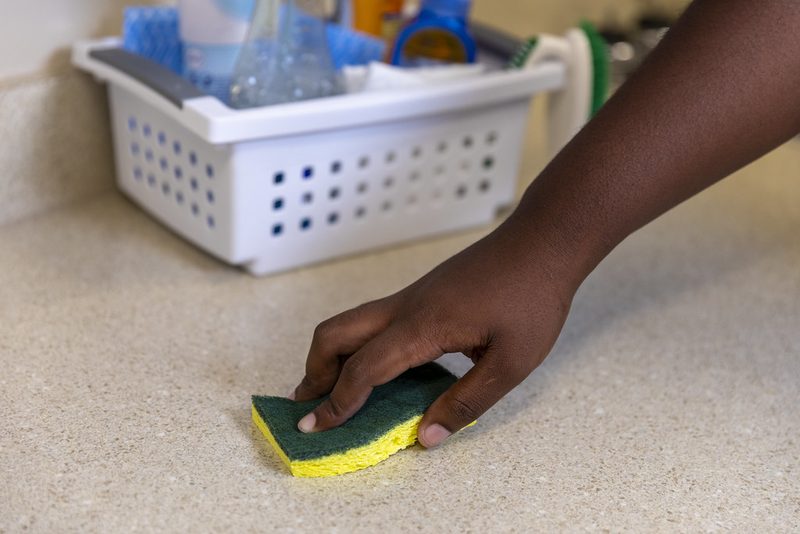
- Counters, the island and the table, cleared and wiped edge to edge
- Faucet handle, sink rim and the soap dispenser pump
- Fridge, oven, microwave and dishwasher handles, and cabinet pulls by the sink and stove
- Light switches, the trash can lid and its pedal; high chair tray when you ask
Bathrooms
- Toilet seat, lid, flush handle and the top of the tank
- Faucet handles on the sink and the tub, and the shower control
- Counter, sink rim and the area around the toothbrush holder
- Door handle, light switch, towel bar and cabinet pulls
The sickroom
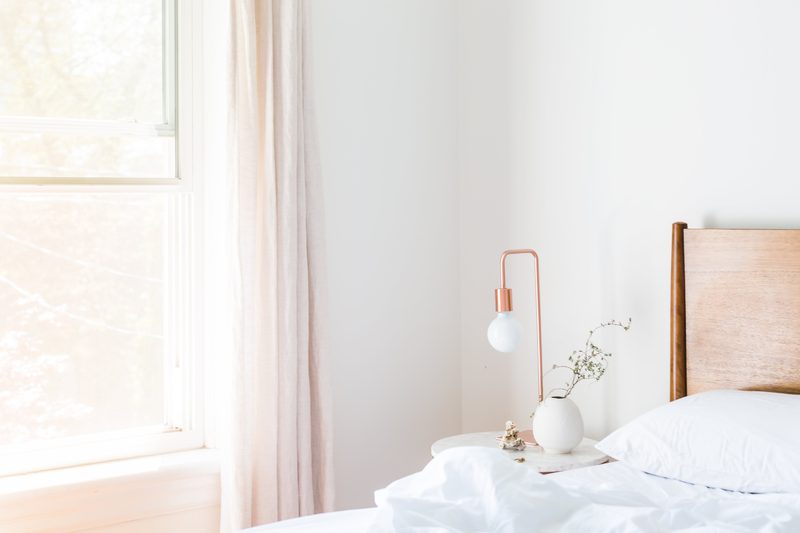
- Nightstand, lamp switch and the headboard or bed rail where hands rest
- Door handle, closet pull and light switch
- Remote, phone charger, tissue box and the dresser top where the medicine sat; bedding stripped for the wash when you ask
Living rooms, hallways and stairs
- Remote controls and game controllers, front and back
- Coffee table, side tables and the arms of chairs and couches
- Front and back door handles, deadbolts, the keypad, stair railings and every light switch on the way
Nursery, when you ask
- Changing table top and the rails of the crib
- Dresser pulls, rocker arms, the diaper pail lid and its pedal
- Hard toys set aside for you to decide on
Phones, tablets and screens are yours to wipe. Tell us about stone counters, unsealed wood, brass and antique finishes you want skipped.
How the visit goes
- Tell us why. Who was sick and when, who is arriving, or what the doctor asked for, so the right rooms come first.
- Tell us who lives there. Babies, pets, anyone with asthma or a sensitivity to scents, and any product you want used or avoided.
- Clean first. Each room gets a regular cleaning of its surfaces before any disinfectant goes on, in the order the CDC page gives.
- Disinfect and wait. High-touch surfaces are treated and stay wet for the full contact time on the label; pets and small children stay out until the room is dry.
- A list at the end, if you want one. Say so when you book and you get a note of which rooms and surfaces were done, so you know what was covered and what was not.
Who books it
- The family after the flu. Everyone is back on their feet, the bathrooms and the kitchen have had a rough week, and nobody wants to do the wipe-down themselves.
- Parents before a newborn. A visit in the last weeks before the due date, often paired with a deep cleaning.
- A household before a hospital homecoming. The bedroom, bathroom and kitchen done the day before someone comes home from surgery.
- A host between guests. A short-term rental after a guest reports being sick, added to the regular turnover.
Searches in this topic were highest in the fall. In Google Ads data for our five counties, the disinfecting and illness-cleaning topic peaked in October and November 2025, at 3,390 and 3,490 searches a month, and fell to 450 a month in January 2026 (DataForSEO, pulled 19 September 2026).
What this service is not
Home disinfecting is surface work in a lived-in home. It is not mold removal, biohazard or crime-scene cleanup, sewage cleanup, or water or fire damage restoration. Those need specialist companies, and in Connecticut mold remediation needs a home-improvement registration. Mold growing on a wall, ceiling or basement floor is a call to a remediation company first.
Odors are a separate conversation. Cleaning removes what sits on surfaces, which often helps with a pet or smoke smell on floors, counters and hard furniture; odor soaked into paint, carpet padding or upholstery is not lifted by a surface cleaning, and carpet and upholstery cleaning reaches only some of it. We do not claim any number of germs removed or illnesses prevented. What we can tell you is which surfaces were cleaned and disinfected.
Before we arrive
Worth doing:
- Clear counters, tables, nightstands and the bathroom vanity of loose items, so every surface can be treated edge to edge
- Strip the sickbed, or leave it for us and say so, and gather used towels in one place
- Plan where pets and small children will be while surfaces are wet
- Put out or name the product you want used, if you have one, and tell us anything to avoid
Not worth doing: wiping things down first. Cleaning is the first half of the visit, and doing it yourself does not shorten the contact time. The preparation guide has the rest: keys, parking, pets.
What changes the time and the quote
- Rooms and surfaces. The kitchen, the bathrooms and one sickroom is one job; every room in a large house is another.
- Contact time. The product's label sets how long each surface stays wet, and the visit cannot be shorter than that wait.
- Condition. Surfaces that have not been cleaned in a while take longer to clean before they can be disinfected.
- What it is added to. A disinfecting pass on top of a weekly or biweekly cleaning or a deep cleaning is priced with that visit.
Ask through the quote form. Quotes are free; most come back the same day by text or email. The pricing page lays out how we quote.
Common questions about home disinfecting
What is the difference between cleaning, sanitizing and disinfecting?
Cleaning removes most germs, dirt and impurities from a surface, using water, soap and scrubbing. Sanitizing lowers the number of germs to a level that public health codes or regulations consider safe, with weaker bleach solutions or sanitizing sprays. Disinfecting goes further, with stronger bleach solutions or chemicals. Those definitions are the CDC's, from its page on cleaning and disinfecting your home, dated January 31, 2025 and read 19 September 2026. In a home the order matters most: clean first, then disinfect.
Can a surface be disinfected without being cleaned first?
Not in a way that works as the label intends. The CDC's guidance is to clean first, because dirt on a surface can make it harder for the disinfectant to reach the germs underneath. That is why every surface in our visit is cleaned before it is treated, and why the visit cannot be shortened by skipping the cleaning half. If you have already wiped things down, tell us; we still clean each surface before treating it.
How soon after the flu or a stomach bug should the house be cleaned?
Most families book once the person who was sick is up and about, so the whole house can be done in one pass. If that is days away, the kitchen, bathrooms and shared rooms can be done now while the sickroom waits behind a closed door for a second visit. Bedding and towels from the sickroom can be washed during the visit as a laundry add-on. We do not give medical timing advice; ask your doctor.
Can you clean before someone comes home from surgery?
Yes. The day before the homecoming, the bedroom they will rest in, the bathroom they will use and the kitchen get cleaned and their high-touch surfaces disinfected, and walkways are cleared so a walker or crutches can get through. If the hospital sent home instructions about the room, share them with us. Wound care and equipment are for the care team, not for a cleaning company.
My house smells musty. Is that a job for disinfecting?
Usually not. A musty smell most often points to damp: a basement, a bathroom without a fan, a closet on an outside wall, or an air conditioner that has sat idle. Cleaning removes the dust and the surface mildew on grout, caulk and window sills, but it does not fix the moisture, and the smell returns if the moisture stays. If you can see mold growing, start with a remediation or waterproofing company, then book the cleaning.
Is the mold in my shower something you clean?
The pink or black spots on grout, caulk, the shower curtain and the drain rim are surface mildew, and scrubbing them is part of a bathroom cleaning; a deep cleaning goes after the grout properly. Two limits: caulk stained all the way through needs replacing, and mold on a ceiling, inside a wall or behind tile is remediation work. Whether the mold in your home is harmful is a question for a mold inspector or your doctor. See tile and grout cleaning.